
الأمراض الجلدية
27-05-2026
تاريخ النشر : 26-01-2026
تحديث في : 10-02-2026
الموضوع: الأمراض الجلدية
الوقت المقدر للقراءة : 1 دقيقة
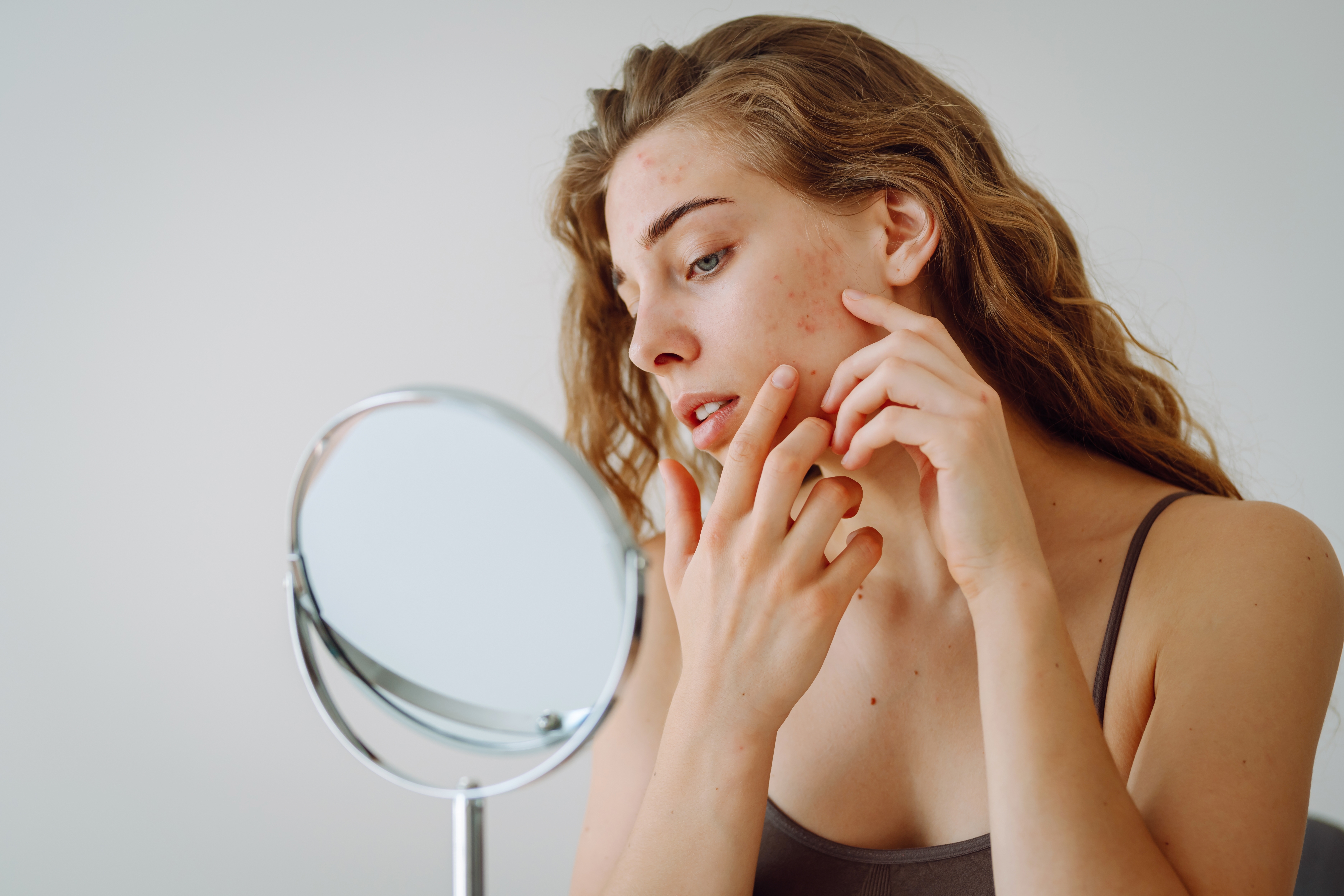
Acne scars are scar-related skin changes that can develop after years of inflammatory acne. They are among the most common aesthetic concerns and often the most difficult to manage: in its more severe forms, inflammatory acne can leave permanent marks that affect quality of life, self-esteem, and self-perception.
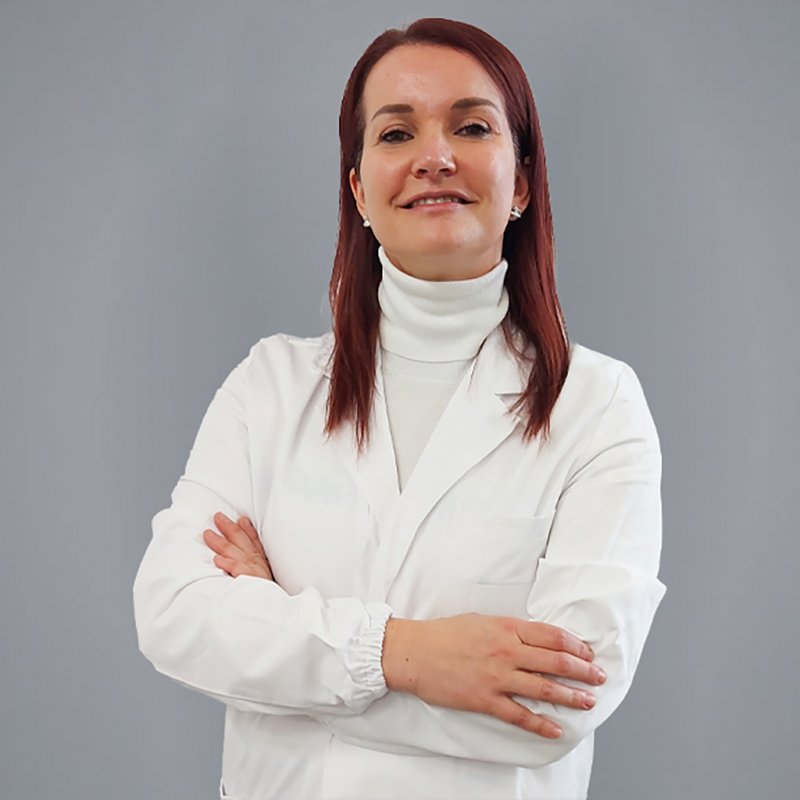
Among the most advanced treatments, fractional ablative CO₂ laser for acne scars is currently one of the most effective options and is also available at Zucchi Skin Center, the Aesthetic Medicine Center of Zucchi Wellness Clinic in Monza. Dr. Sabrina Brambilla, Head of the Center, explains how it works.
“Acne scars result from an impaired skin repair process following deep inflammation. When the pilosebaceous follicle becomes significantly inflamed, the skin tissue can be damaged down to the dermis. At this stage, the body attempts to repair the lesion by producing new collagen fibers, but this process may be insufficient or uneven, leading to:
Acne scars tend to appear most commonly on:
Fractional CO₂ laser is currently one of the most effective laser treatments for acne scars due to its ability to improve:
This technology works by:
“Fractional CO₂ laser allows us to work deep within the skin, triggering a regenerative process that leads over time to a visible improvement in skin quality. One of its main features is precision: the laser creates thousands of microscopic thermal columns within the skin, activating a remodeling process that, over the following weeks and months, results in progressive improvement of scars and skin texture,” emphasizes Dr. Brambilla.
“In most cases, 3 to 4 sessions are required, every month or every month and a half, although the number may vary depending on the type and severity of the scars.
The session is performed by applying a topical anesthetic cream to the area to be treated, leaving it on for about 30 minutes. Once the cream is removed, the laser is delivered to the skin, adjusting intensity and depth based on the patient’s clinical characteristics.
Our goal is to achieve a natural-looking improvement while respecting the individual characteristics of the patient’s skin. There is no one-size-fits-all solution: for this reason, each treatment plan is personalized and monitored through periodic follow-up visits, and recovery time varies depending on treatment intensity,” Dr. Brambilla specifies.
Results of fractional CO₂ laser treatment for acne scars are gradual and become increasingly noticeable over time, as the skin produces new collagen.
After treatment, the following may generally occur:
These effects may be followed by a period of peeling or flaking. These are temporary reactions and can be managed with moisturizing products and proper sun protection.
“Fractional CO₂ laser is indicated for adult patients with stabilized scarring. It cannot be performed on tanned skin or in the presence of active acne, which is why a specialist assessment is an essential step. For this reason, at Zucchi Skin Center, one of the reference points for aesthetic medicine in Monza, a diagnostic phase and specialist consultation are included before treatment,” concludes Dr. Brambilla.