Oftalmologie
18-05-2026
Data publicării: 29-09-2026
Actualizare la: 29-09-2026
Subiect: Oftalmologie
Durată de citire estimată: 1 min.
Redactor medical
Gianpaolo Gatta
Editor și traducător
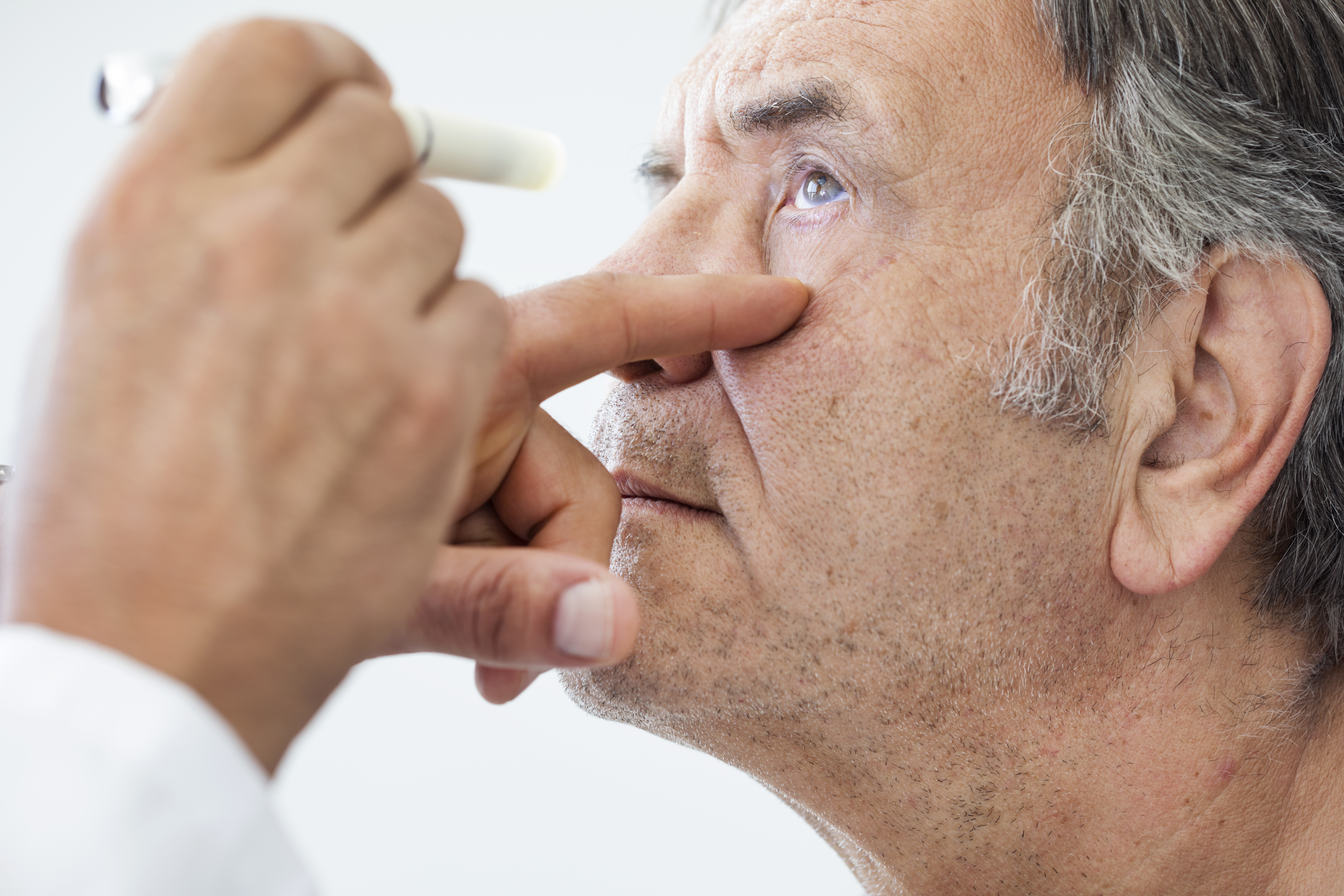
Viktoryia LuhakovaEye aging brings with it physiological changes as well as specific eye conditions. To ensure more accurate diagnosis and more effective treatment, it is essential to distinguish physiological changes from pathological conditions. Among the latter, the most common is cataract, as explained by Dr. Gianpaolo Gatta, Head of Ophthalmology at Istituto Clinico Città di Brescia and lecturer in Orthoptics and Ophthalmic Assistance at the University of Brescia.
Some changes are inevitably associated with aging but are not necessarily pathological.
“One example is presbyopia, the age-related loss of near vision that requires the use of reading glasses. It is often accompanied by a more or less significant decline in distance vision as well, which, particularly after the age of 60, may require progressive lenses, commonly known as multifocal lenses.”
Another physiological change associated with aging and presbyopia is the reduced transparency of the eye’s natural lens (a precursor to cataract):
“As the lens ages, it becomes harder and loses its ability to accommodate for near vision. It also becomes less transparent, resulting in reduced color saturation: vision may therefore appear less bright and more yellowish.”
Eye diseases in older adults can affect different parts of the eye, but the condition with the highest incidence is the progressive loss of transparency of the natural lens, known as a cataract. It most commonly affects people between the ages of 60 and 80, although it can sometimes occur at a younger age, between 30 and 40, following certain drug treatments and/or trauma. Cataracts are always bilateral but are frequently asymmetrical, developing first in one eye and later in the other.
“This is a clinical condition that we can manage very effectively today,” the specialist explains, “because surgical techniques for cataract correction have reached an extremely sophisticated level.”
It is therefore no coincidence that cataracts are no longer viewed simply as a problem but can also represent an opportunity. During cataract surgery, latest-generation premium intraocular lenses can be implanted not only to address the clouding of the natural lens, but also to simultaneously correct pre-existing vision problems such as myopia, astigmatism, hyperopia, and presbyopia. As a result, patients may not simply regain the vision they had before developing cataracts, but may actually see better.
Around 650,000 cataract procedures are performed in Italy every year. Cataract surgery is the most commonly performed surgical procedure in the country and has a high level of safety, thanks in part to continuous technological advances that have made it even safer and more precise. The procedure usually takes between 6 and 12 minutes. Despite this, it should never be underestimated.
“Although complications are rare, they can be difficult to correct. For this reason, it is important to rely on experienced specialists and well-organized healthcare facilities,” Dr. Gatta explains.
An important sign that should not be ignored is a change in vision, which is not necessarily perceived as negative:
“In older adults, cataracts can reduce myopia and improve near vision. Paradoxically, therefore, if an older person begins taking off their glasses to see objects up close, they may have a cataract.”
When should surgery be considered?
“It depends on the individual. In general, when the cataract becomes dense enough to interfere with everyday activities, surgery should be considered.”
After cataract surgery, patients should observe a short period of rest and follow the antibiotic and anti-inflammatory treatment prescribed by their specialist. Although the risk of infection has decreased significantly over time, to approximately 1 case in 100,000, it is always important to follow the treating physician’s instructions.
Anyone who begins experiencing difficulty seeing up close, likely due to the onset of presbyopia, should take the opportunity to have an examination with an ophthalmologist. Based on each patient’s individual clinical situation, the ophthalmologist will then determine how often follow-up examinations are needed and when they should be performed.
Going to an optician simply to purchase a pair of reading glasses or, even worse, buying ready-made reading glasses at a supermarket can be counterproductive and, in some cases, potentially risky. Good vision is a fundamental need at every age.