


胃肠科
14-08-2026
出版日期: 09-06-2026
更新日期: 29-07-2026
主题: 胃肠科
预计阅读时间: 1 分钟
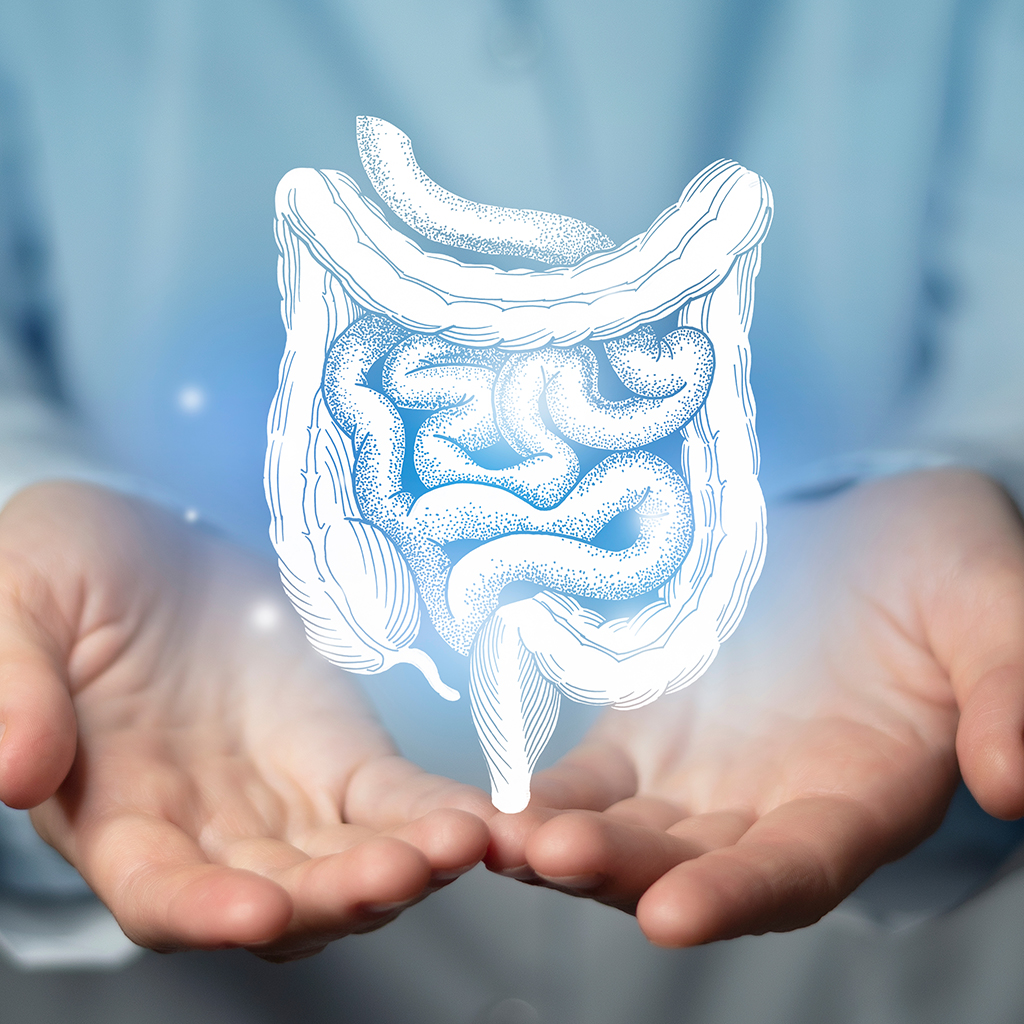
Diverticula are small pouch-like protrusions that can develop in the walls of hollow organs, including the esophagus, stomach, small intestine, colon, and even the bladder. However, diverticula of the colon are by far the most common. Their prevalence increases progressively with age, from less than 10% at age 40 to approximately 70% after age 70. Although they are often asymptomatic, in some cases they may cause symptoms and inflammation that are not always easy to diagnose or manage.
We discussed the topic with Professor Maurizio Vecchi, gastroenterologist and digestive endoscopist at Casa di Cura La Madonnina and physician of the Digestive Fast Care service at the same institution.
“Diverticula develop most frequently in the digestive tract and particularly in the large intestine, especially in its left-sided segment known as the sigmoid colon,” explains Professor Vecchi.
When discussing colonic diverticula, it is important to distinguish between diverticulosis, diverticular disease, and diverticulitis:
In addition to diverticulitis, diverticular disease may present as:
In most cases, diverticula cause no symptoms, which is why many people discover them incidentally during diagnostic investigations. When symptoms occur, they may include:
While diverticula are physical pouches in the wall of the colon, Irritable Bowel Syndrome (IBS) is a functional gastrointestinal disorder not associated with structural disease or visible anatomical abnormalities such as diverticula.
Abdominal discomfort caused by IBS may overlap with symptoms of diverticular disease in many respects. However, IBS generally does not cause fever, nausea, vomiting, or bleeding.
Mild to moderate diverticular disease can often be treated with medical therapy, including antibiotics. More severe cases may lead to complications, including:
In some cases, diverticulitis can cause bowel obstruction due either to swelling of the colonic wall during the acute phase or to narrowing caused by scar tissue resulting from previous episodes. This may partially or completely block the passage of stool and intestinal gas.
In such situations, prompt medical intervention is often necessary, and patients with suspected obstruction should seek emergency care immediately.
Diverticula are believed to be associated with weakening of the walls of the affected organ, which become less elastic over time, particularly with aging. In younger individuals, hereditary factors may contribute to this weakness.
For colonic diverticula, another contributing factor may be the high pressure generated by the colon in patients with chronic constipation when hard, dehydrated stool passes through the intestine. Constipation itself is often associated with a low-fiber diet. Fiber from fruits, vegetables, and legumes helps retain water in stool, making it softer and easier to pass through the colon. Physical inactivity may also slow intestinal motility and reduce the propulsion of stool through the bowel.
The clinical manifestations of diverticular disease are generally caused by:
Early diagnosis is important to prevent complications such as abscesses or bowel perforation. Colonic diverticula are diagnosed through imaging and endoscopic investigations, including:
Treatment depends on disease severity, which can vary considerably.
Management may include:
Surgical treatment involves removal of the affected segment of the colon (resection) and reconnection of the healthy bowel to restore normal passage of stool. In very severe cases, a temporary stoma (colostomy) may also be required, allowing stool to be diverted into an external collection bag while the bowel heals.
Numerous strategies have been studied to prevent episodes of acute diverticulitis. Although some may be beneficial, none has been conclusively proven effective. These strategies include:
“Ultimately, the most important message for patients is to maintain bowel function that is as regular and consistent as possible, thereby reducing the likelihood of diverticular blockage,” explains Professor Vecchi.
During an acute inflammatory episode, fiber intake should be reduced, particularly foods that are more irritating or difficult to digest, such as:
Patients are also advised to follow a light diet and avoid:
“Once diverticula have formed, they do not disappear or regress,” concludes Professor Vecchi. “They can be treated when they become inflamed, but outside acute episodes it is essential to maintain a balanced diet, proper hydration, and a healthy lifestyle.”
Prevention plays a key role in reducing the risk of complications and improving quality of life through daily habits that promote regular bowel function and overall well-being.