
General Surgery
09-04-2026
تاريخ النشر : 13-10-2026
تحديث في : 13-10-2026
الموضوع: General Surgery
الوقت المقدر للقراءة : 1 دقيقة
محرر طبي
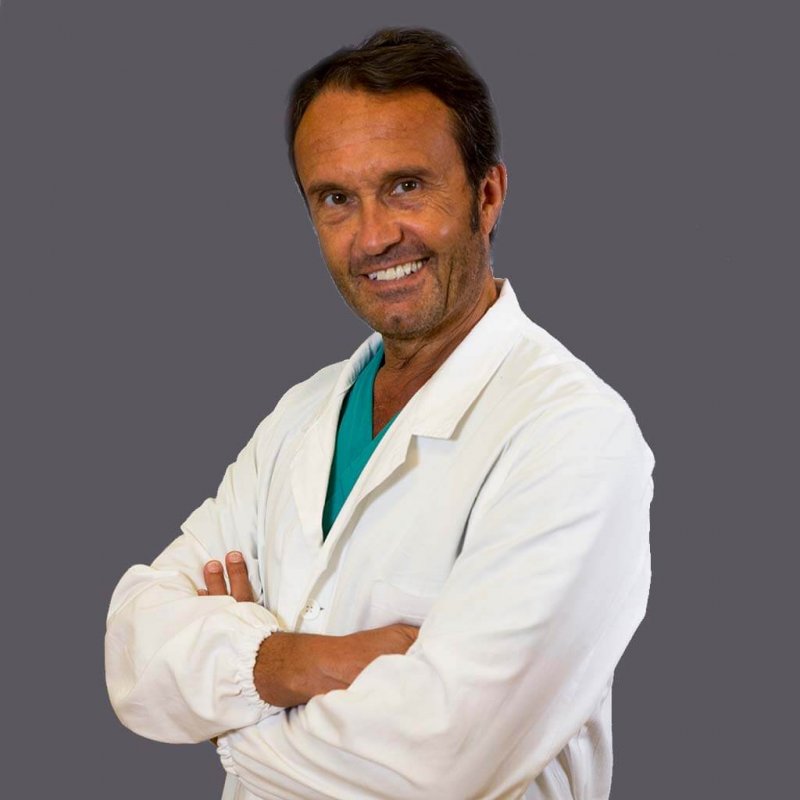
Giampiero Campanelli
محرر ومترجم
Viktoryia LuhakovaHernia surgery is not, and cannot be, the same for every patient. Each person has different anatomical and clinical characteristics, which require careful assessment and a targeted, personalised surgical approach.
We discuss how tailored hernia surgery works and which factors need to be considered with Professor Giampiero Campanelli, Professor of General Surgery, who practises at Casa di Cura La Madonnina and is also Director of the Hernia Center Milano, based at the same hospital.
“Tailored, or ‘tailor-made’, hernia surgery differs from a standard approach because it does not apply the same technique to every patient. Instead, it starts from the specific characteristics of each individual case in order to identify the most appropriate solution,” explains Professor Campanelli.
While standard surgery follows a predefined pathway, a personalised approach takes into account a range of factors related to the specific hernia, as well as the individual needs of the patient, in order to select the most suitable technique, surgical access and method of repair for that particular situation.
The fundamental principle is that the patient should not have to adapt to the technique the surgeon is most accustomed to performing. Rather, the surgeon should have a comprehensive knowledge of the different surgical options available and identify the most appropriate one for the individual case.
The aim, therefore, is not to adapt the patient to the procedure, but to adapt the surgical strategy to the patient.
There cannot be one surgical technique suitable for all hernias because abdominal wall defects can present in very different ways and within equally varied clinical contexts.
A personalised surgical strategy therefore takes into account several factors, including:
At the Hernia Center of Casa di Cura La Madonnina, the choice of surgical technique is the result of a structured diagnostic and specialist assessment pathway designed to identify the most appropriate treatment for each patient. The pathway includes several stages.
The first step is a specialist consultation in General Surgery, during which information is collected regarding:
The medical history allows the doctor to assess:
The physical examination allows direct assessment of:
When necessary, the clinical assessment is complemented by the most appropriate diagnostic investigations, selected according to the individual case. The aim is to determine precisely:
In more complex cases or in recurrent hernias, a more detailed assessment may be essential for surgical planning.
Once the assessment has been completed, the most suitable repair technique is selected. Depending on the characteristics of the hernia and the patient, the following approaches may be considered:
The choice is not based on a preference for one technology over another, but on which approach is most likely to provide an effective and safe repair in that specific case.
Choosing the Hernia Center at Casa di Cura La Madonnina means being cared for by a team with specific expertise in the diagnosis and treatment of abdominal wall hernias. Dedicated expertise makes it possible to manage both straightforward and more complex or recurrent cases, selecting the most appropriate solution on an individual basis.
An integrated specialist pathway also allows the patient to be followed through every stage of care, from the initial assessment and selection of the surgical technique through to postoperative follow-up, with the aim of ensuring continuity of care and a personalised treatment approach.