Gastro-entérologie
09-06-2026
Date de publication: 14-08-2026
Mise à jour le: 14-08-2026
Sujet: Gastro-entérologie
Temps de lecture estimé: 1 min
Rédacteur médical
Stefano Olmi
Rédacteur et traducteur
Viktoryia LuhakovaSunset aperitifs, late dinners, evening walks along the seafront with a stop for gelato. Summer is the season for socializing and relaxation, but it is also the time of year when our habits tend to change the most. We eat out more often, meal times shift, we go to bed later, and our usual daily routines are disrupted.
For people with a hiatal hernia, a condition estimated to affect around 15% of the Italian population, these changes can lead to a worsening of symptoms, including heartburn, acid regurgitation, and gastroesophageal reflux.
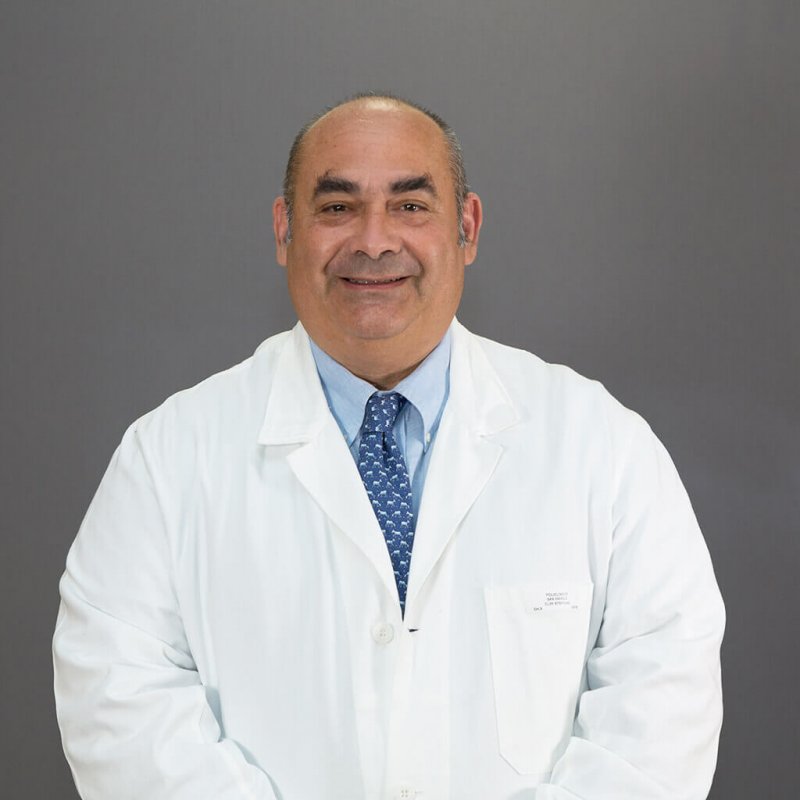
We discuss the topic with Professor Stefano Olmi, Head of the General, Oncological and Robotic Surgery Unit and the E-Gastric Center at Policlinico San Marco.
“A hiatal hernia is a condition in which a portion of the stomach, which may vary in size, moves upward through the esophageal hiatus in the diaphragm and into the chest due to weakening of the anatomical supporting structures. This alters the ‘valve’ mechanism of the gastroesophageal sphincter, which normally prevents stomach contents from flowing back into the esophagus, resulting in gastroesophageal reflux.
When reflux occurs, acidic gastric juices come into contact with the lining of the esophagus, causing characteristic symptoms such as heartburn, regurgitation, digestive difficulties, and belching,” explains Professor Olmi.
A hiatal hernia should therefore be considered one of the conditions that can contribute to gastroesophageal reflux, although it does not always cause symptoms.
In people with a hiatal hernia, certain typical summer habits can trigger or worsen gastroesophageal reflux, because through different mechanisms they increase the likelihood of stomach contents flowing back into the esophagus. Let’s look at them in more detail.
“Very large meals excessively distend the stomach, increasing pressure at the junction between the esophagus and stomach and making it easier for gastric contents to flow back into the esophagus, particularly in people with a hiatal hernia,” explains the specialist.
High-fat foods can also worsen symptoms because they slow gastric emptying and keep food in the stomach for longer.
People with a hiatal hernia should consume alcoholic beverages in moderation. Alcohol can reduce the tone of the lower esophageal sphincter. When combined with large meals, it can also contribute to worsening heartburn and regurgitation.
During the holidays, it is more common to eat at irregular times, for example by skipping lunch or having only a light snack while at the beach or out for the day. As a result, people may arrive at dinner very hungry.
“These habits can promote reflux because they often lead to eating larger meals in a short period of time, causing greater distension of the stomach.
Eating too quickly can also contribute to symptoms by increasing the amount of air swallowed and the sensation of bloating, which may facilitate regurgitation in people who are predisposed to it,” continues Professor Olmi.
An afternoon nap is one of the small pleasures of a summer holiday. However, people with a hiatal hernia or acid reflux should wait a few hours after lunch before lying down.
“Lying down immediately after eating makes it easier for stomach contents to flow back into the esophagus because, in a horizontal position, the effect of gravity, which helps keep gastric contents in their natural position when we are upright, is reduced,” adds the specialist.
To reduce the risk of heartburn and regurgitation, it is advisable to wait at least 2 to 3 hours after a meal before lying down, whether for an afternoon nap or before going to bed at night.
In most cases, preventing or limiting symptoms associated with a hiatal hernia does not mean giving up social occasions. A few precautions can help:
An occasional episode of heartburn after a particularly large meal is generally not a cause for concern. However, if you have already been diagnosed with a hiatal hernia, it is advisable to consult a gastroenterologist or a surgeon specializing in abdominal surgery if your symptoms:
At Policlinico San Marco in Zingonia, Italy, patients with hiatal hernia and gastroesophageal reflux can receive care at the E-Gastric Center, a multidisciplinary program dedicated to diseases of the esophagus and stomach, from diagnosis through to laparoscopic or robotic surgery when indicated.
Following a specialist consultation, the diagnostic pathway may include tests such as gastroscopy, esophageal manometry, and pH-impedance monitoring. These examinations help identify the cause of symptoms and determine the most appropriate treatment.
In most cases, treatment is based on lifestyle changes and medication. When indicated, minimally invasive laparoscopic surgery can be performed by a team experienced in the treatment of esophageal and gastric disorders.