
Recherche
25-09-2026
Date de publication: 03-11-2026
Mise à jour le: 03-11-2026
Sujet: Recherche, Prix
Temps de lecture estimé: 1 min

Rédacteur médical
Alberto Aiolfi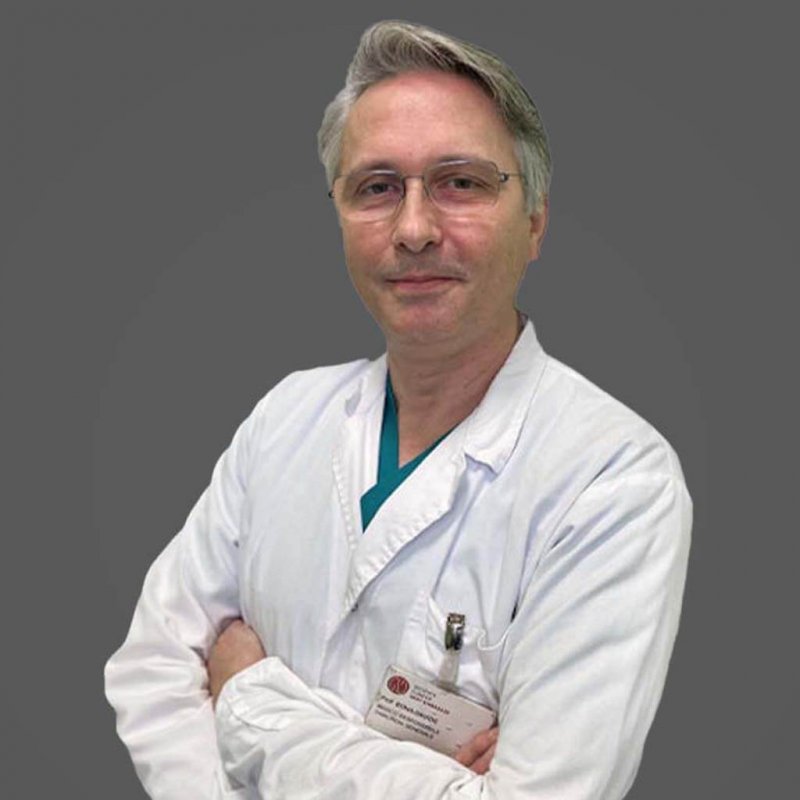
Rédacteur médical
Davide Bona
Rédacteur et traducteur
Viktoryia LuhakovaProf. Davide Bona and Dr Alberto Aiolfi, respectively Head and Consultant Surgeon in the General Surgery Unit at IRCCS Ospedale Galeazzi-Sant'Ambrogio and members of the RED Centre, have been included in the 2026 edition of the international “World’s Top 2% Scientists” ranking, which identifies the top 2% of researchers worldwide in terms of scientific impact.
The scientific work of the 2 specialists focuses on a shared area of expertise: the surgical treatment of benign and malignant oesophageal diseases, with particular attention to hiatal hernia, oesophageal achalasia and oesophageal cancer.
Through publications in international journals, clinical studies, systematic reviews and meta-analyses, their research contributes to:
The ranking was developed by Professor John P.A. Ioannidis of Stanford University and his research group. It is updated annually and published through Elsevier.
The analysis is based on bibliometric data from the Scopus database and considers indicators including citation counts and the h-index, while also taking into account each author’s individual contribution and the scientific relevance of their publications.
The RED Centre – Reflux and Esophageal Diseases Team at IRCCS Ospedale Galeazzi-Sant'Ambrogio is a multidisciplinary centre specialising in the diagnosis and treatment of gastro-oesophageal reflux disease, hiatal hernia and the main disorders affecting the oesophagus.
The Centre brings together expertise in surgery, gastroenterology, endoscopy, gastrointestinal physiology and radiology, with the aim of providing patients with a comprehensive and personalised pathway, from accurate diagnosis to the selection of the most appropriate treatment.
Its activity is based on the integration of clinical experience, methodological rigour and scientific collaboration.
The inclusion of 2 of its specialists in the 2026 ranking confirms the international relevance of their scientific work.
The diagnostic pathway is tailored to each patient and may include a specialist surgical consultation, upper gastrointestinal endoscopy, 24-hour oesophageal pH-impedance monitoring, high-resolution oesophageal manometry and radiological assessment of the upper gastrointestinal tract.
In selected cases, anti-reflux surgery may be performed using laparoscopic or robotic techniques, which provide high-definition three-dimensional visualisation and greater precision of surgical movements.
“Oesophageal diseases require a pathway in which diagnosis and surgery work together, avoiding fragmented assessments. The recognition achieved together with our colleagues at the RED Centre rewards the work of a team that translates research into concrete clinical decisions for patients every day.”
This recognition represents an important achievement for IRCCS Ospedale Galeazzi-Sant'Ambrogio. It confirms the hospital’s commitment to promoting scientific expertise and supporting high-quality research capable of contributing directly to advances in surgery and improvements in the quality of patient care.