
Oncology
18-09-2026
Publication date: 09-02-2026
Updated on: 21-04-2026
Topic: Oncology, Nutrition
Estimated reading time: 1 min

Article Author
Lara Benvenuti
Medical Editor
Andrea Pontara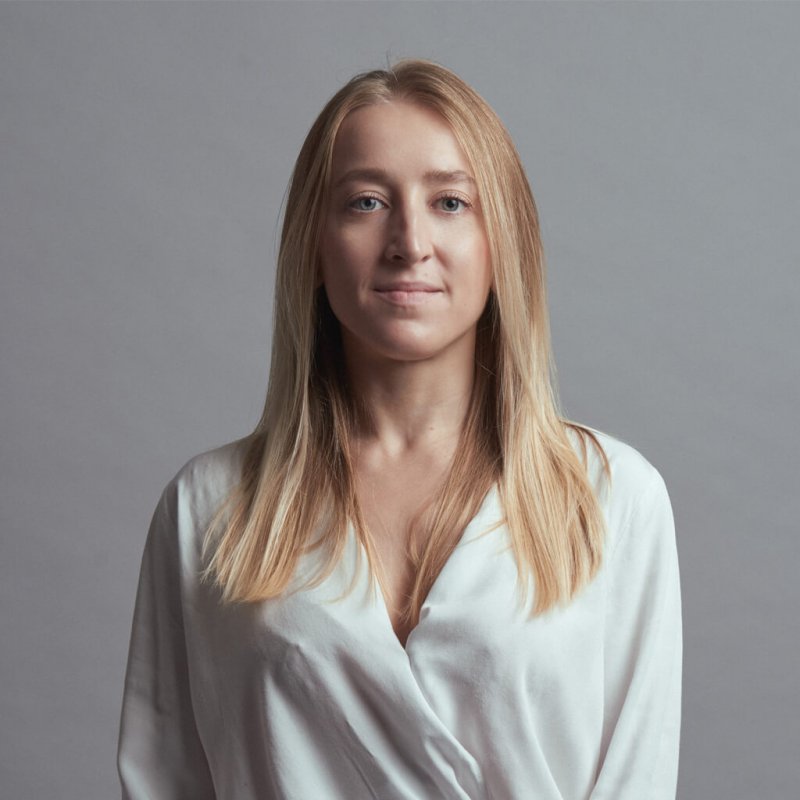
Editor and Translator
Viktoryia LuhakovaNutrition during chemotherapy plays a fundamental role in supporting the body, which is heavily challenged by both the disease and the treatments. Adequate nutritional intake helps preserve muscle mass, support the immune system, and improve tolerance to therapy, positively affecting quality of life. The goal is not to cure cancer through diet, but to provide the body with the resources it needs to better cope with the therapeutic journey.
On this topic, Dr. Andrea Pontara, dietologist at the Clinical Nutrition Unit of IRCCS Ospedale San Raffaele, explains the principles of nutrition during chemotherapy, nutritional requirements, recommended and discouraged foods, as well as useful strategies to manage the main side effects of treatment.
During chemotherapy, the body is subjected to significant stress: it must fight the disease, tolerate anticancer drugs, and at the same time maintain vital functions.
“In this context adequate nutrition represents a central element in the management of the oncology patient and becomes an integral part of the therapeutic pathway. Proper caloric and protein intake helps to:
Good nutritional status is also associated with better adherence to therapy, fewer complications, shorter hospital stays, and an overall improvement in quality of life.
“This is not about ‘curing’ cancer with diet, but about providing the body with the tools it needs to face treatment in the best possible way,” explains Dr. Pontara.
Chemotherapy can alter energy requirements due to inflammatory processes, tissue repair, and loss of lean body mass.
Cancer treatments can also significantly affect nutritional status by causing taste alterations, reduced appetite, and gastrointestinal disorders.
The combination of these factors may reduce food intake and increase the risk of energy and protein deficiency, leading to weight loss (mainly affecting lean mass, often associated with sarcopenia) and worsening physical performance.
“Malnutrition is a frequent condition in oncology patients and represents an important negative prognostic factor,” continues Dr. Pontara.
It may occur even in the absence of obvious underweight. Early recognition of signs of malnutrition (such as weight loss, reduced food intake, and fatigue) is essential to promptly initiate appropriate nutritional intervention.
There is no single dietary regimen suitable for all patients. Nutrition must be personalized based on symptoms, individual preferences, and gastrointestinal tolerance. It is advisable to:
The expert continues: “ESPEN guidelines recommend adequate energy intake (25–30 kcal/kg/day) and protein intake (1.0–1.5 g/kg/day). In particular:
When appetite is reduced or food intake is insufficient, it may be useful to increase the caloric and protein density of meals without increasing volume (food fortification). This strategy allows nutritional requirements to be met even with small portions. Nutritional intake can be significantly improved by adding:
Nutritional support is a fundamental component in the management of oncology patients undergoing chemotherapy. The goal is to prevent or correct protein–energy malnutrition, a frequent condition in these patients and one associated with poorer clinical outcomes.
When spontaneous oral intake is insufficient, oral nutritional supplements may be indicated in addition to meal fortification strategies. These are foods for special medical purposes, available in liquid, semi-solid, or powder formulations, designed to increase caloric and protein intake and should always be used under professional supervision.
“Soft, moist, and easily chewable foods are generally well tolerated, such as:
Smoothies, milkshakes, and creams are valid alternatives during periods of poor appetite,” recommends the dietologist.
Proteins are essential to preserve muscle mass and support immune response, while energy from carbohydrates and fats helps prevent catabolism. Fruits and vegetables, consumed daily in small portions, provide essential vitamins and minerals, adapting texture and preparation to individual tolerance.
Adequate hydration is equally important to prevent dehydration, constipation, and worsening nausea. It is advisable to drink small sips throughout the day, preferring:
In cases of nausea, the following are recommended:
It is important to avoid strong odors and particularly fatty foods. If food smells increase nausea, it is preferable to consume cold or room-temperature dishes.
Eating every 2–3 hours, choosing small portions with high nutritional density, and enhancing flavor with mild seasonings is advisable. Yogurt, soft cheeses, nuts, and creams are valid alternatives.
In cases of diarrhea, it is advisable to prioritize foods low in insoluble fiber, avoiding whole grains and many raw vegetables. “Recommended foods include:
It is also appropriate to limit fatty, fried, spicy, or highly seasoned foods, as well as sugary beverages. It is essential to replace fluid losses by drinking adequate amounts of liquids, avoiding alcohol, coffee, and cold drinks.
In cases of constipation, instead, it is useful to:
In cases of fatigue, when there is little desire to cook, it may be helpful to rely on:
Simple meals that are easy to reheat and rich in complex carbohydrates are recommended, as they help maintain stable energy levels. Excessive intake of simple sugars and caffeine should be avoided.
It is essential to avoid raw or undercooked foods that may pose a risk of foodborne infections, such as:
Food safety and hygiene are priorities in immunocompromised patients. It is recommended to:
It is also advisable to avoid buffets, sushi bars, and loose delicatessen foods.
Foods and beverages that should be limited or avoided because they may irritate the gastrointestinal tract include:
Grapefruit and its juice may interfere with the metabolism of certain chemotherapy drugs, increasing the risk of side effects. For this reason, it is advisable to avoid consumption during chemotherapy unless otherwise indicated by the oncologist.
“There are no ‘anti-cancer’ diets or miracle regimens. The dietary pattern with the strongest scientific evidence for prevention and nutritional support is the Mediterranean diet.
The clinical and symptomatic variability among patients makes it necessary to personalize nutritional intervention. Restrictive or unbalanced diets may lead to nutritional deficiencies, weight loss, and worsening clinical condition,” states the physician.
It is advisable to consult a specialist in cases of:
The professional develops a personalized nutrition plan tailored to symptoms, patient preferences, and clinical goals. Oral nutritional supplements are indicated when diet alone is insufficient to meet requirements and must always be used under clinical supervision.
“Regular nutritional follow-up represents a true pillar of support for oncology therapy,” concludes Dr. Pontara. “Integrating it in a structured and personalized way into the care pathway means recognizing its clinical value and helping improve outcomes, chemotherapy tolerance, and quality of life.
Nutrition during chemotherapy requires a flexible approach based on scientific evidence and adapted to individual needs. Nutrition cannot be addressed with generic recommendations or standardized plans: each patient has different clinical characteristics, symptoms, food preferences, and levels of tolerance, which require a tailored nutritional plan.
An informed and personalized approach allows the diet to be adapted to the patient’s real needs, taking into account treatment progression, side effects, and any changes in nutritional status.”